
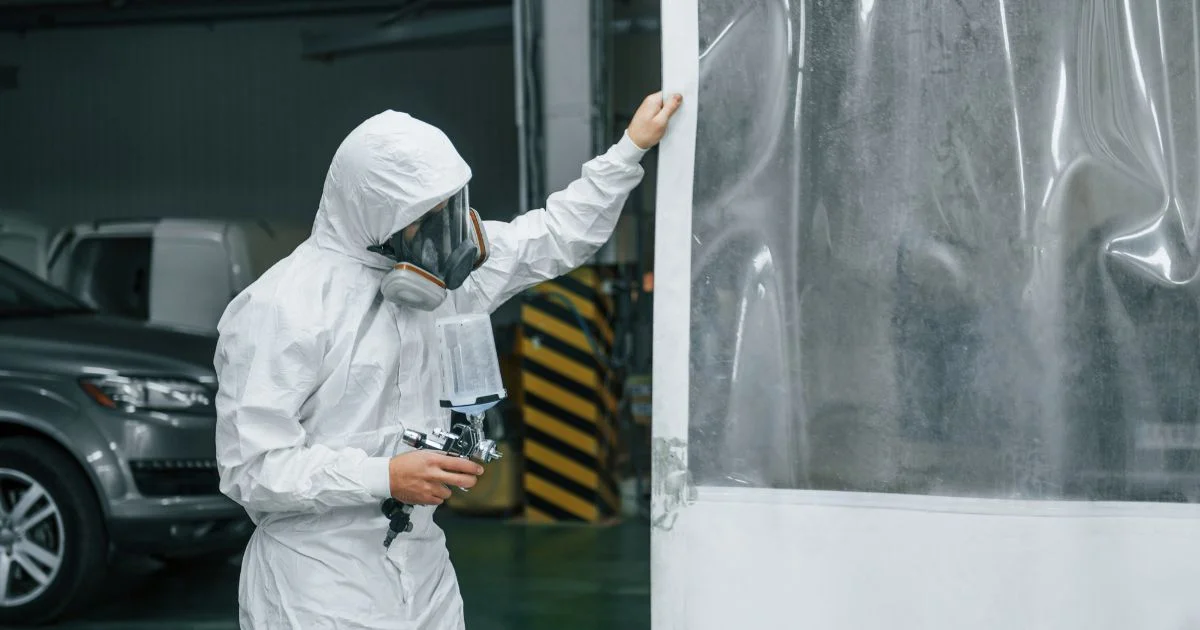
Your maintenance tech walks into the paint booth to adjust the blow off system. Standard procedure, done dozens of times. But today, a bearing dragged against the housing for a split second. That tiny spark met solvent vapors hanging in the air.
The explosion that follows doesn't care about safety meetings or good intentions. It responds to physics. Flammable atmosphere plus ignition source equals disaster. Your safety record, your team's well-being, and potentially lives depend on equipment that can't create that spark under any circumstance.
Most facilities handling combustible materials eventually face this question: do we need non-sparking blow off systems, or is standard equipment acceptable? The answer depends on what you're processing, where the equipment operates, and what happens when things go wrong. Understanding these factors helps you make decisions that protect people rather than just checking compliance boxes.
When Standard Blowers Become Dangerous
Industrial blowers generate mechanical friction during normal operation. Motors create electrical arcs. Bearings wear and drag. Impellers occasionally contact housings during startup or under load. Each of these events can produce sparks or hot surfaces that standard equipment accepts as normal wear patterns.
In most manufacturing environments, these minor ignition sources cause no problems. Air doesn't burn. The sparks dissipate harmlessly. The equipment keeps running.
But introduce flammable vapors, combustible dusts, or ignitable fibers into that same space, and the physics change completely. According to OSHA's hazardous location standards, specific concentrations of airborne combustibles create explosion risks that standard electrical equipment cannot safely operate within. That occasional spark from a worn bearing becomes a detonation trigger.
Industry tracking shows over 200 dust-related incidents occurred in the US in 2019 alone, with over 100 more reported globally. These aren't rare events in obscure industries. They happen in grain elevators, woodworking shops, pharmaceutical facilities, and chemical plants. Any operation generating fine particles of combustible material faces this risk.
Your compressed air blow off might work fine for years. Then production changes, new materials get introduced, or dust accumulation reaches a critical concentration. Standard equipment that was safe yesterday creates an explosion risk today. The equipment didn't change. The environment did.
What Makes Non-Sparking Blow Off Systems Different
Non-sparking blow off systems address ignition risks through fundamental design choices. The goal isn't eliminating all potential ignition sources—that's impossible. The goal is to contain any ignition that occurs so it can't reach the surrounding atmosphere.
Explosion-proof blowers meet specific requirements. They operate safely in areas where flammable gases or vapors exist under normal conditions. Class 1 Division 1 blowers represent the highest hazard classification for gas and vapor environments. Certified equipment undergoes testing. This verifies it won't ignite the specific materials in your facility.
Proper equipment selection prevents incidents in hazardous locations. Industry standards for electrical area classification emphasize this point. This isn't about buying premium features you might not need. It's about matching equipment capabilities to actual operating conditions.
Industrial blower safety standards require different equipment for different hazard zones. Your paint booth requires certified equipment. Your assembly area, twenty feet away, might not. Understanding these distinctions prevents both under-protecting high-risk areas and overspending on low-risk locations.
Compliance requirements vary by industry, location, and specific materials handled. Chemical processing faces different standards than grain handling. Your authority having jurisdiction determines which codes apply to your facility. Equipment that's compliant in one application might not meet requirements in another.
Applications Where Sparks Can't Be Tolerated
Paint finishing operations create some of the most obvious needs for non-sparking blow off systems. Solvent-based coatings release vapors that mix with air in concentrations well within explosive limits. Standard blow off equipment in these environments violates both safety codes and common sense.
The drying process after coating application concentrates these vapors further. Parts coming out of paint booths carry a fresh coating that continues to release solvents. Blow off systems removing overspray or preparing surfaces for additional coats operate directly in these hazardous atmospheres.
Chemical processing facilities handle inherently volatile materials. Reactor vessels, storage tanks, and transfer operations all create areas where flammable vapors concentrate. Any equipment operating in these zones must be certified as explosion-proof for the specific chemicals present.
Pharmaceutical manufacturing processes fine powders that can form explosive dust clouds. Active pharmaceutical ingredients, excipients, and even seemingly harmless materials like lactose become combustible when dispersed as fine particles. Blow off systems that remove dust from equipment or products operate in these hazard zones.
Grain-handling facilities face persistent risks of dust explosions. Wheat, corn, and other grain dusts ignite easily when suspended in air at the right concentrations. Blow off equipment cleaning conveyors, hoppers, or processing equipment must account for the constant presence of combustible dust.
Woodworking operations generate sawdust and wood particles that create explosion hazards. Blow off systems removing debris from parts or cleaning equipment contribute to dust clouds that can ignite from any spark source. The finer the sawdust, the more readily it ignites.
The Direct Drive Advantage for Hazardous Environments
Belt-driven blowers introduce multiple potential ignition sources. Belts slip and generate friction heat. Pulleys can create sparks if belts break and metal contacts metal. Static electricity builds up on moving belts. Each of these represents a failure mode that could trigger ignition in hazardous atmospheres.
Direct drive blowers eliminate these belt-related risks entirely. The motor shaft connects directly to the impeller with no intermediate mechanical components to slip, spark, or generate static. This simplified design reduces potential ignition sources while improving reliability.
Maintenance requirements drop when you eliminate belts, pulleys, and tensioners. Fewer components mean fewer opportunities for wear-related issues that could compromise explosion-proof integrity. This matters in hazardous locations. Maintenance work itself creates additional risks there.
Vibration from misaligned or worn belts can cause housing contacts to spark. Direct drive systems maintain better alignment because there's no belt tension pulling components out of position. This stability contributes to both safety and longevity.
Energy efficiency improves with direct-drive technology because power transfer occurs without mechanical losses from belts. In continuous operation facilities, this efficiency compounds over time into significant cost savings. You get both improved safety and lower operating costs.
Making the Right Equipment Decisions
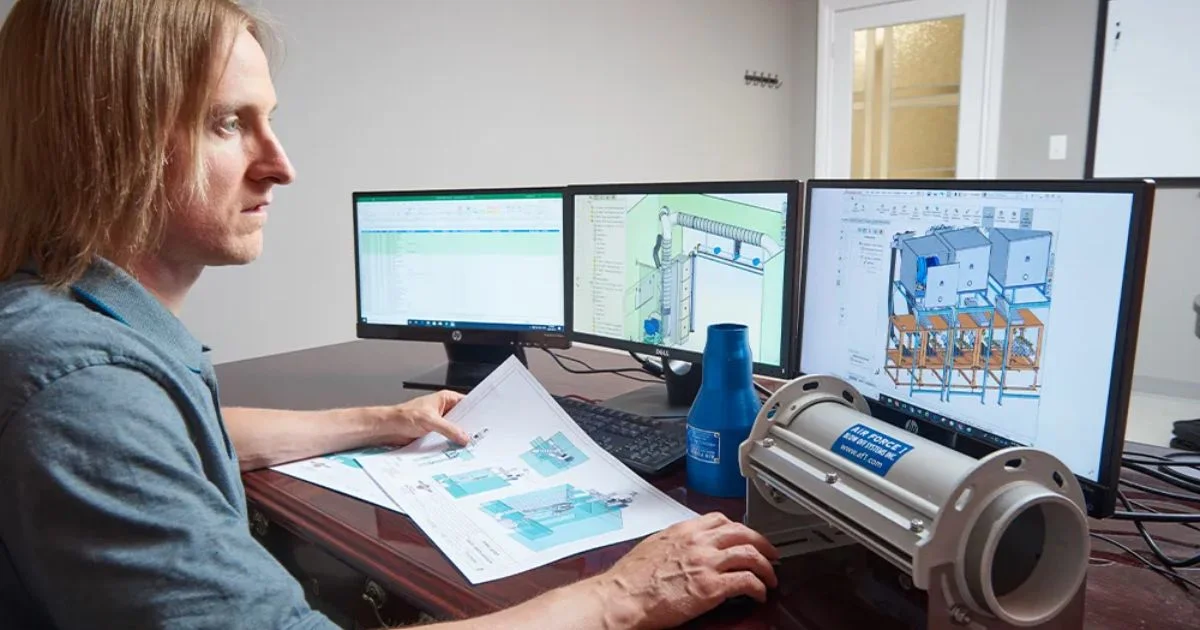
Determining whether you need non-sparking blow off systems starts with understanding your facility's hazard classification. This requires knowing what materials you handle, how they're processed, and where concentrations can reach ignitable levels. Guessing creates liability. Proper hazard assessment identifies actual risks.
Your local codes determine which equipment certifications you need. Some areas accept different standards than others. Working with authorities having jurisdiction before specifying equipment prevents costly mistakes. What works in one facility might not be compliant with yours.
Materials compatibility matters beyond just explosion-proof certification. Some chemical environments corrode standard materials even when they're explosion-proof. Stainless steel construction resists many chemical attacks that would destroy other materials. The right material choice depends on specific exposure.
Maintenance accessibility becomes more important in hazardous locations because you can't always service equipment during normal operation. Systems need to be shut down; atmospheres cleared and permits obtained before work begins. Equipment that requires frequent maintenance creates more disruption and risk.
False economy occurs when facilities use standard equipment with workarounds rather than proper Class 1 Division 1 blowers. Extra ventilation doesn't eliminate explosion risk if equipment can still create ignition sources. Protective enclosures don't help if the hazard exists inside them. The right equipment solves the problem rather than managing symptoms.
Beyond Basic Compliance
Meeting minimum code requirements keeps you legal. Going beyond minimum standards keeps people safe. These aren't always the same thing. Codes establish floors, not ceilings. Your facility's specific conditions may warrant greater protection than minimum compliance requirements.
Risk assessment looks at both probability and consequences. Even low-probability events deserve serious attention when consequences include injuries or fatalities. Equipment decisions should reflect actual risk, not just regulatory checkboxes.
Multiple layers of protection work better than relying on any single safeguard. Proper ventilation reduces vapor concentration. Explosion-proof equipment eliminates ignition sources. Both together provide redundancy if one system fails or conditions change unexpectedly.
Training ensures people understand why explosion-proof equipment matters and what behaviors could compromise its protection. Workers need to know that covering ventilation openings or using unapproved tools near certified equipment defeats safety features. Understanding the why behind rules improves compliance.
Testing and inspection verify that explosion-proof integrity remains intact over time. Enclosures can develop cracks. Seals degrade. Modifications get made without considering implications. Regular verification catches problems before they create hazards.
Protecting What Matters Most
Non-sparking blow off systems cost more than standard equipment. That premium buys insurance against low-probability, high-consequence events. Whether that investment makes sense depends on what you're protecting and the explosion risks in your facility.
Some operations clearly need this protection. Paint booths, chemical processing areas, and grain handling facilities operate in hazardous atmospheres where standard equipment creates unacceptable risks. Other facilities fall into gray areas where hazard assessment determines requirements.
The right equipment decisions start with understanding your actual exposure. What combustible materials do you handle? Where do they concentrate? How does your process create ignitable atmospheres? Honest answers to these questions guide equipment selection better than assumptions or outdated practices.
Your team's safety depends on equipment that won't fail catastrophically when conditions change unexpectedly. Standard blowers with good maintenance records can still create sparks. Non-sparking systems are designed so that even when components fail, ignition doesn't reach the surrounding atmosphere.
Ready to evaluate whether your facility needs explosion-proof blow off systems? Start by assessing where flammable materials concentrate and whether your current equipment creates ignition risks in those areas. Contact us to discuss how certified systems protect operations in hazardous environments.