
Parts come off the washing station clean. Ten feet later, they're contaminated again. The drying process you installed to remove moisture is putting particles back on. Fibers from wiping cloths stick to wet surfaces. Mechanical squeegees pick up debris from one part and deposit it on the next. Static electricity from all that friction pulls dust straight out of the air onto freshly cleaned assemblies.
Contact-based drying solves one problem while creating another. It removes visible moisture but introduces contamination through physical contact itself. Every touch transfers particles. Every wipe generates static. Every mechanical surface sheds material onto the product you just spent three stations cleaning.
Contactless drying systems remove moisture and debris without ever touching the product. High-velocity air does the work that cloths and mechanical wipers can't do cleanly. No surface contact means no fiber transfer, no abrasion, no static buildup from friction. Parts leave drying cleaner than they arrived.
Why Contact Methods Contaminate While Cleaning
Every cloth, squeegee blade, and roller surface transfers whatever contaminants it carries. A wiping cloth looks clean, but magnification reveals fiber shedding with every stroke. Industrial wipers deposit lint. Rubber blades collect particles from one part and leave them on the next.
Physical contact generates static electricity. That charge attracts dust, metal particles, and airborne contaminants within seconds of drying. Physical contact with certain drying tools or materials can introduce contaminants, which compromises the cleanliness and quality of the final product. The surface you just cleaned becomes a magnet for exactly what you were trying to remove.
Winter months compound this issue. Lower humidity means faster static buildup. Electronics facilities see static-related failures spike when humidity drops below 30%. The same drying method that worked in July causes rejects in January because environmental conditions have changed.
Friction damages delicate surfaces. Polished metals show swirl marks. Coated plastics scratch. Glass develops micro-abrasions that compromise optical clarity. Speed suffers because contact methods require parts to stop, get handled, then continue. Non-contact drying eliminates those bottlenecks by happening while parts move.
How Air Knife Systems Remove Moisture Without Contact
Air knives create a continuous sheet of high-velocity air across the product surface. The blade design transforms pressurized air into uniform laminar flow. That flow sweeps moisture off edges, out of recesses, and away from the line without touching anything.
Laminar flow removes contamination rather than redistributing it. Turbulent air scatters particles. Laminar airflow carries them completely away in smooth, parallel layers. Parts with complex geometries, threaded holes, or recessed pockets get cleaned thoroughly. Airflow reaches areas mechanical wiping can't access.
For applications requiring both drying and static control, ionizing bars integrate directly into air knife housings. The ionized air neutralizes surface charges while removing moisture. That prevents the static buildup contact methods create and stops re-contamination from charged surfaces attracting airborne particles.
Electronics Manufacturing Demands Zero-Contact Methods
Circuit boards can't handle contact while drying. Surface-mount components are displaced under mechanical pressure. Solder paste deposits smear. Moisture trapped anywhere on the board creates failures during reflow.
During the reflow step of lead-free solder assembly processes, temperatures exceed 200°C; thus, if trace moisture remains on key components such as ICs, PCBs, and other moisture-sensitive devices, defects such as popcorning, microcracking, and delamination may occur.
Those failures don't always show immediately. Micro-cracks propagate over time. Delamination appears months after assembly. Contact drying can't guarantee moisture removal under components or between traces. Air knives reach those spaces without disturbing anything.
Static electricity damages semiconductors at voltages humans can't detect. Modern chips fail at charges below 10 volts. Contact drying builds static through friction. That charge destroys components before anyone knows it happened. Air knife contactless drying prevents fiber transfer, eliminates deposition from handling, and removes existing particles without introducing new sources.
Pharmaceutical Production Requires Sterile Drying
Pharmaceutical manufacturing operates under regulatory scrutiny. Every contamination source needs documentation. Contact-based drying introduces variables requiring validation. Cloth composition, cleaning protocols for mechanical wipers, and particle shedding from worn components all need tracking and periodic reverification.
Pharmaceutical manufacturers implement strict guidelines and controls, such as Good Manufacturing Practices (GMP), to minimize the risk of contamination and cross-contamination. Maintaining cleanroom classification during drying requires HEPA-filtered air delivery. Air knives using filtered air sources preserve sterility while removing moisture from vials, blister packs, and packaging materials.
Moisture on pharmaceutical packaging creates adhesion failures. Labels peel. Heat seals don't bond. Inkjet coding smears before it cures. But wiping those surfaces risks contaminating the product or breaching the sterile barrier. Non-contact drying methods remove water without introducing contamination risk.
Food and Beverage Lines Need Speed Without Risk
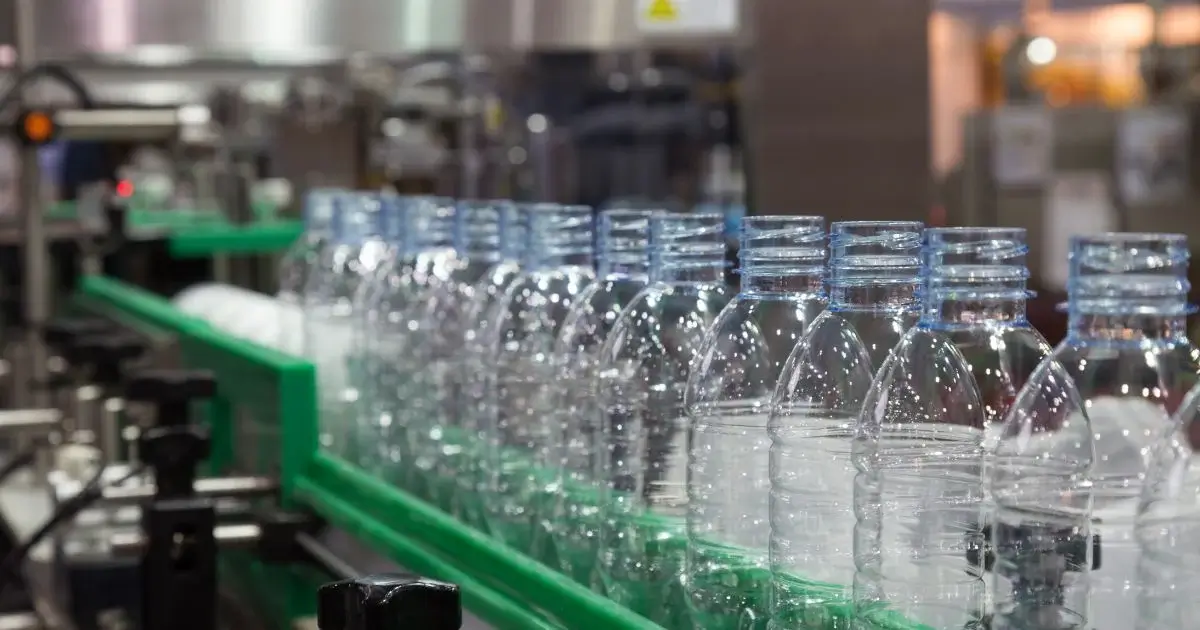
Bottling operations run at speeds where stopping isn't viable. Cans and bottles move through at hundreds per minute. Air knives positioned after washing remove water before labeling or coding. Parts never slow down, never get touched, and arrive downstream completely dry.
Water on can surfaces causes label failures. Moisture interferes with inkjet adhesion. Trapped condensation breeds bacteria if products sit before packaging. Contact drying at high speeds requires mechanical wipers needing constant adjustment. They still leave moisture in recessed areas around closures and threaded necks.
Cross-contamination between products is another risk. A wiper touching the previous bottle now touches this one. That transfers allergen residues, cleaning chemical traces, or flavor compounds between products. Contactless drying eliminates that path. Each product gets dried by filtered air that contacted nothing else.
Automotive and Aerospace Applications Where Finish Defines Function
Paint defects trace back to surface preparation. A dust particle embedded in coating creates a visible flaw that fails inspection. Pre-paint cleaning removes contamination, but contact drying can reintroduce it. Wiping deposits fibers. Mechanical contact generates static that attracts airborne particles.
Drying operations across manufacturing are energy-intensive processes that consume significant time and energy, and current methods often prove inefficient across various production cycles. Air knife systems remove moisture and particles before painting, without surface contact. Laminar airflow reaches into body panel recesses, door jambs, and complex stampings that wiping can't access.
Aerospace components face tighter tolerances. Most repair material systems cure at temperatures above the boiling point of water, which can cause a disbond at the skin-to-core interface wherever trapped water resides. Contact drying can't verify moisture removal from honeycomb cores or between composite plies. Water trapped internally vaporizes during cure, causing delamination.
Polished aluminum and anodized surfaces reveal every contact mark under inspection lighting. Non-contact methods preserve the finish through production. The surface quality after polishing remains intact throughout final assembly.
System Design Factors That Determine Performance
Airflow velocity needs to be matched to application requirements. Delicate surfaces require lower velocity. Heavy moisture or debris needs a higher force. Adjustable gap settings from 0.025" to 0.150" provide that range while maintaining laminar characteristics.
Air source selection affects performance and cost. Blower-based systems deliver high volume at lower operating pressure. They cost significantly less than compressed air. Compressed air systems lose 20-30% of generated air through leaks. For equivalent performance, compressed air can cost seven to eight times more to operate than properly designed blower systems.
Direct drive blowers eliminate belt maintenance. They provide consistent airflow without the degradation that belt-driven systems accumulate. Placement determines effectiveness. Air knives positioned too far lose velocity before reaching the surface. Too close creates turbulence. For guidance on complete system approaches, integration matters as much as equipment selection.
Operating Cost Comparison
Contact systems appear cheaper initially, but consumables add up. Wiping cloths, replacement squeegees, mechanical components, plus labor for material changes and equipment cleaning across shifts.
Compressed air blow-off carries hidden costs. Leakage wastes 20-30% of generated capacity. Operating costs are 7 to 8 times higher than for blower-driven systems. Contactless systems using engineered blowers typically pay back within months to a couple of years, depending on operating hours and energy rates.
Quality costs matter. Scrap from contamination, rework for defects, and warranty claims all trace back to drying processes, introducing the problems they're supposed to solve. Drying without contamination reduces defect rates. That shows immediately in lower scrap volumes and eliminated rework labor.
Making the Transition
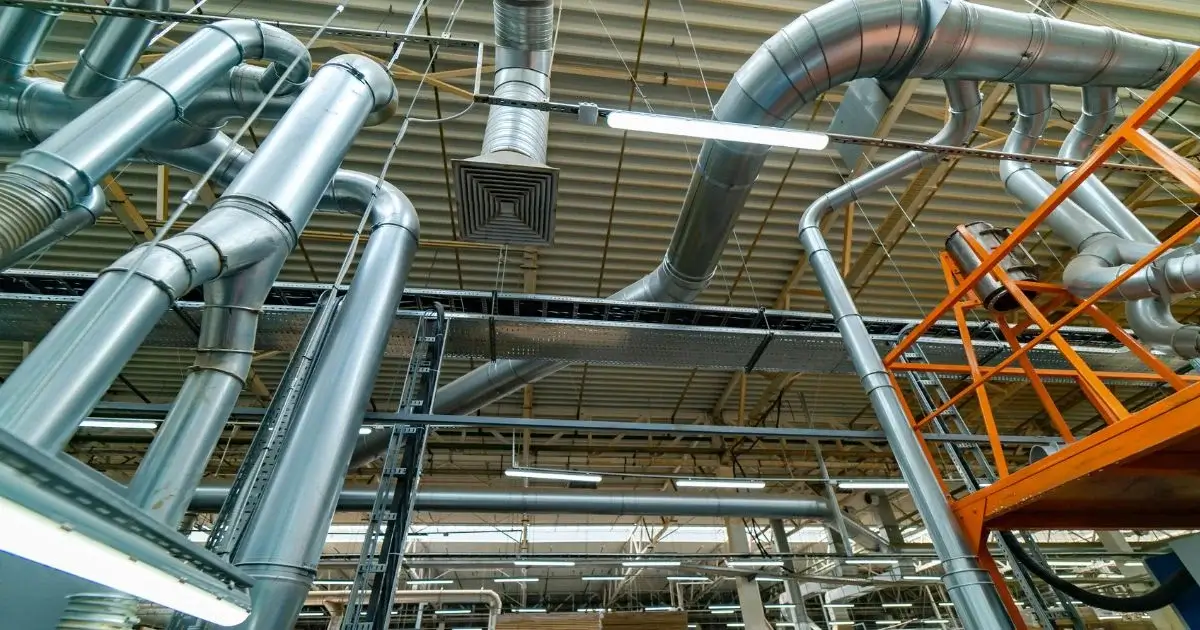
Air knife systems can be mounted into existing conveyor layouts. Ductwork connects to existing blower capacity or new dedicated units. Most installations are completed during scheduled maintenance windows.
Custom engineering matches systems to specific applications. Standard solutions work for simple geometries. Complex parts or multiple product variations benefit from engineered designs. Integration with existing controls allows automated operation. Systems activate when parts enter the drying zone.
Your current drying process might be working, but working doesn't mean optimized. If you're seeing contamination-related rejects, surface damage from contact drying, or static issues attracting particles back onto cleaned parts, the drying method itself is the problem. Contactless drying systems eliminate those issues by removing the physical contact that causes them.
If your facility is dealing with defects traced to the drying process, reach out and we'll assess what's happening on your line.