
Most manufacturers accept cure time as fixed. The coating datasheet says "cure 24 hours at room temperature" so that's what happens. Parts sit on racks while floor space fills up, and assembly operations wait for chemistry to finish.
But cure time isn't actually fixed. It's a function of temperature. Raising substrate temperature by 20-30 degrees can cut cure time by half or more. The same chemistry happens faster when molecules move faster.
The question isn't whether heat accelerates curing. Every coating manufacturer publishes cure schedules showing this relationship. The question is how you apply that heat efficiently without creating new problems.
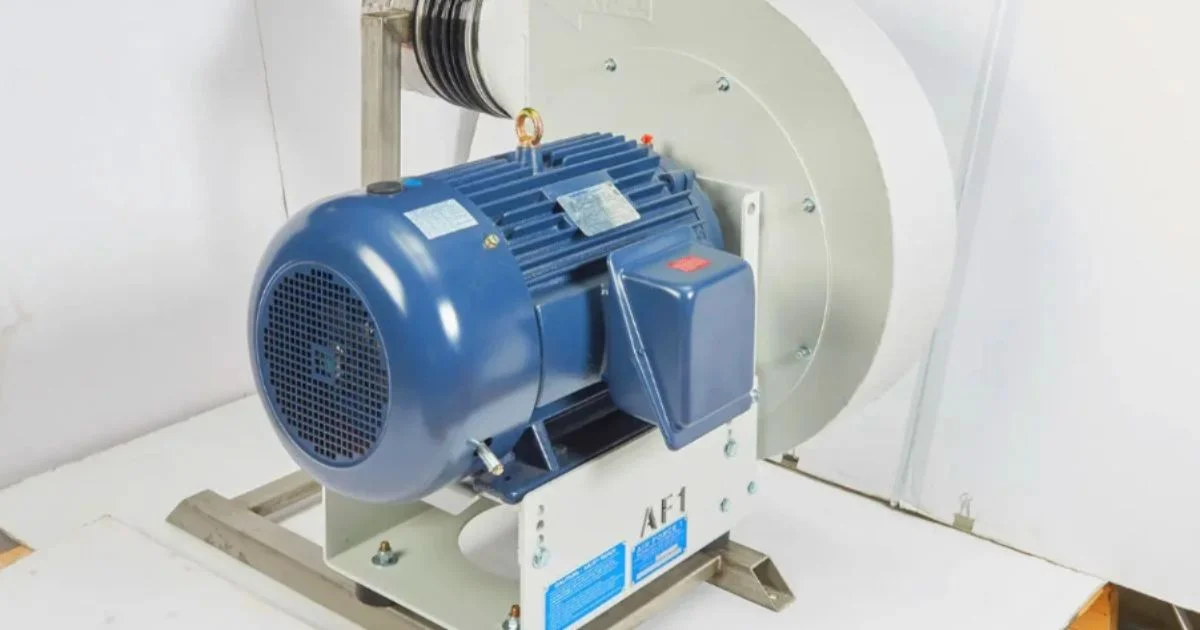
Industrial hot air blowers deliver controlled heat directly to coated surfaces. Faster paint curing happens because you're giving the chemistry what it needs—elevated temperature that speeds molecular bonding. Parts move through your facility quicker while coatings achieve full properties.
How Heat Speeds Up Cure Chemistry
Paint and adhesive curing involve chemical reactions that depend on temperature. Higher temperatures speed up these reactions. The coating manufacturer specifies cure schedules that balance time and temperature to achieve proper film properties.
Powder coatings demonstrate this clearly. The powder melts, flows, and crosslinks when heated. Without adequate temperature, the coating never achieves its designed properties. Liquid coatings work similarly, though the chemistry differs. Heat accelerates crosslinking reactions that create the final film.
The challenge is applying heat efficiently without damaging substrates or creating uneven cure. Ovens work but consume significant energy and take up significant floor space. Infrared systems target surfaces but struggle with complex geometries. Heated blow off systems deliver hot air directly to coated surfaces, providing faster paint curing through controlled heat application.
Direct air contact transfers heat efficiently while supporting the reactions that build coating durability. In liquid coatings, heat helps solvents evaporate, but the main benefit is faster crosslinking that creates film hardness, adhesion, and chemical resistance.
Pre-Heating Parts Before Coating
Cold parts cause problems during application and curing. Paint doesn't flow properly on cold surfaces. Adhesion suffers when the substrate temperature sits below optimal ranges.
Pre-heating parts with an industrial hot-air blower brings surfaces to the ideal application temperature. This improves flow and wetting, which in turn affects the final appearance and performance. The coating spreads more uniformly across warm surfaces compared to cold ones.
Pre-heated parts begin curing immediately upon coating application rather than waiting for the substrate to warm up. This reduces overall cycle time by eliminating the heat-up period that would otherwise occur in your cure station.
Metal fabrication operations particularly benefit from pre-heating. Steel and aluminum conduct heat away from applied coatings quickly. Pre-heating compensates for this thermal mass, maintaining temperatures that support proper cure.
Cold surfaces also attract condensation in humid environments. Moisture between the substrate and coating causes adhesion failures and corrosion. Pre-heating parts before coating application eliminates this moisture, preventing problems that later surface as warranty claims.
Comparing Different Heating Methods
Convection ovens surround parts with hot air in enclosed chambers. They work well for batch processes where parts can wait for the temperature to stabilize. The downside is energy cost and floor space. You're heating the entire oven volume, not just the parts.
Infrared heating targets surfaces directly with radiant energy. It works well on flat surfaces where line-of-sight access is available. Complex geometries with recesses and hidden surfaces don't receive uniform heating from IR systems. You end up with hot spots and cold spots on the same part.
An industrial hot-air blower delivers heat via moving air that conforms to the part geometry. The airflow reaches into recesses and around complex features that radiation can't access effectively. You get more uniform heating across the entire coated surface.
Energy efficiency depends on how much heat reaches your parts versus how much heat the surrounding facility loses. According to the U.S. Department of Energy, process heating accounts for a significant share of industrial energy consumption, making efficient heating equipment critical for cost control.
Heated blow off systems direct hot air specifically at parts, minimizing waste heat.
Cutting Cure Time on Paint Lines
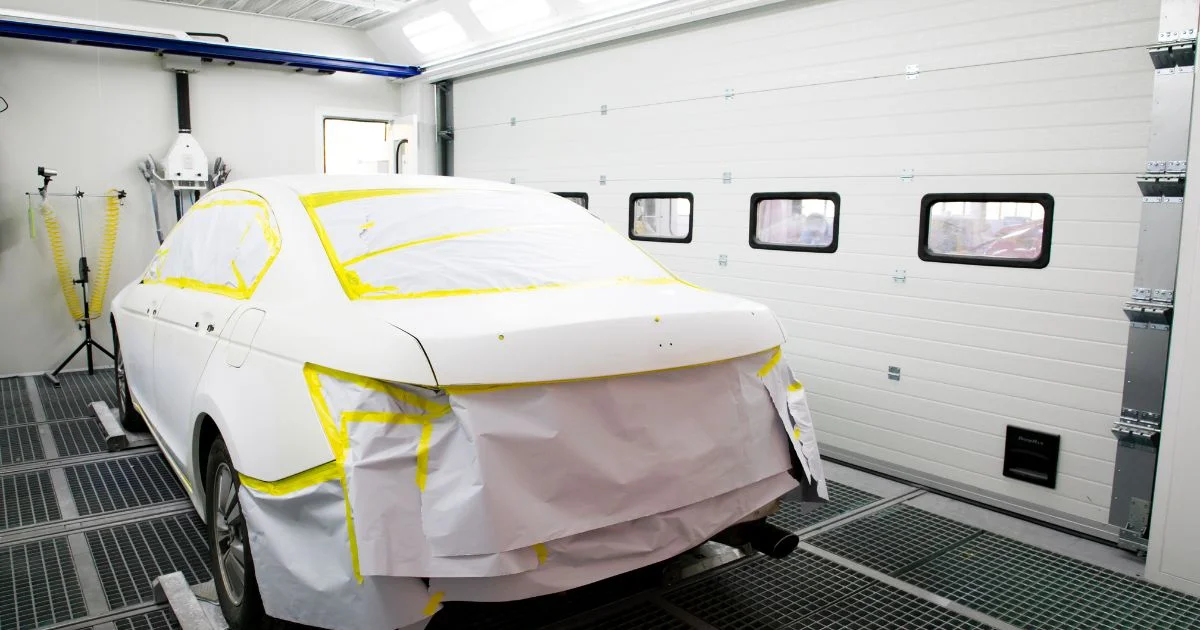
Automotive finishing operations cure paint on body panels, frames, and components using various heating methods. Adding paint curing equipment to existing lines can reduce cure time without major facility changes. The equipment integrates into the current production flow rather than requiring line redesign.
Small parts finishing often struggles with oven capacity. Parts accumulate waiting for oven space while the cure time limits throughput. Targeted heating addresses specific bottlenecks without requiring larger ovens that continuously consume more energy.
Two-component coatings cure through chemical reaction but still benefit from heat acceleration. A faster cure means shorter wait time before handling or secondary operations. This matters in assembly processes where coating must achieve handling strength quickly.
Powder coating lines typically use convection or infrared ovens for cure. In some operations, adding heated blow off capability for touch-up areas or specific features improves overall efficiency. You're not replacing the main oven; you're addressing situations where a full oven cure isn't practical.
Touch-up and repair scenarios particularly benefit from localized heating. When you need to cure a small repair area, heating the entire part wastes energy. Directing hot air specifically at the repair achieves a cure without unnecessary consumption. This approach addresses common drying problems that waste energy in manufacturing facilities.
Faster Adhesive Cure in Assembly
Structural adhesives bond components in aerospace, automotive, and industrial equipment manufacturing. Cure time directly affects assembly throughput. Parts must remain in fixtures until the adhesive has developed sufficient strength for handling.
Heat reduces fixture time significantly. Adhesive-curing solutions that apply controlled heat let you remove parts from fixtures sooner, increasing fixture availability. If assembly takes 10 minutes but the room-temperature cure takes 12 hours, you need dozens of fixtures per station. Reducing the cure time to 2 hours with a heat-drop fixture counts significantly.
The quality improvement matters, too. Room-temperature cure takes hours or days, depending on the adhesive formulation. During this time, parts can shift if bumped or moved. Accelerated cure locks parts in position faster, reducing the risk of misalignment.
Some adhesives won't cure properly at room temperature. These formulations require heat activation to achieve the designed bond strength. An industrial hot air blower provides the necessary temperature without the need for large environmental chambers.
Production flexibility increases when you control cure timing through heat application. Slow-cure adhesives that normally need overnight fixturing can be heat-cured and moved to the next operations within the same shift. This reduces work-in-progress inventory sitting on your floor.
Keeping Temperature Consistent Across Parts
Applying heat effectively requires controlling how much reaches your parts. Too little heat and cure doesn't accelerate enough to justify the equipment. Excessive heat can damage coatings or substrates.
Heated blow off systems include temperature controls that adjust heat output based on application requirements. Different coatings need different cure temperatures. The same system can handle various products by adjusting temperature settings rather than requiring different equipment.
Consistent temperature delivery across all parts matters for quality. When some parts receive more heat than others, the cure varies. This shows up as differences in hardness, adhesion, or appearance that create quality problems.
Air velocity affects heat transfer as much as temperature does. Faster air moves more heat to the surface. Temperature and velocity together determine the heat transfer rate. Well-designed systems balance both for consistent results.
Monitoring capabilities let you verify cure conditions. Temperature sensors confirm that parts reach the required levels. This documentation supports quality management systems and helps troubleshoot coating failures when they occur.
Managing Energy Costs and Floor Space
Floor space constraints make large ovens impractical in many facilities. You're trying to fit production equipment into existing buildings without major construction. Manufacturing drying systems that use targeted heating require less space than convection ovens while delivering heat where needed.
Energy costs matter increasingly as utility rates climb. Systems that use energy efficiently reduce operating costs over equipment lifetime. The investment in better heating equipment pays back through lower utility bills.
Compare how much heat actually cures your parts versus how much escapes. Ovens lose heat through walls and during door operation. Heated air systems direct energy specifically to parts with less heat loss to the surroundings.
Intermittent production favors heating systems that don't maintain a large thermal mass during idle periods. Integration with existing equipment determines installation complexity. Systems that integrate with the current production flow install faster and cost less than solutions that require line reconfiguration.
Removing Cure Time Bottlenecks
Production bottlenecks at cure stations limit throughput regardless of how fast upstream processes run. Faster paint curing eliminates these constraints without sacrificing coating quality or durability.
The same principles apply to adhesive assembly operations. When cure time determines cycle time, reducing cure time through controlled heat application increases output using existing facilities and workforce.
Industrial hot air blowers provide targeted heating that integrates into current production processes. You're adding heat where it improves throughput rather than redesigning entire systems around new heating methods.
At Air Force 1, our heated blow off systems combine direct drive blower technology with controlled heat sources. The engineering team analyzes your cure requirements and designs systems that deliver heat effectively for your specific coatings and production speeds.
Ready to eliminate cure time bottlenecks? Contact our team to discuss how heated blow off technology can accelerate your paint and adhesive curing processes while reducing energy costs.