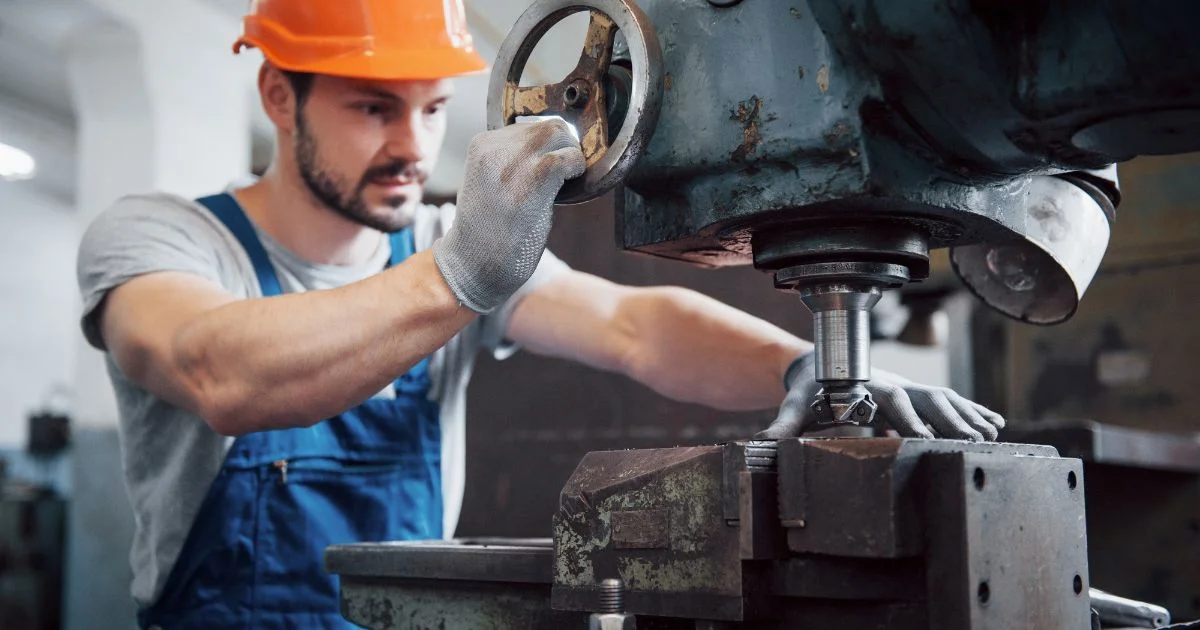
A skilled machinist runs a sanding tool across a fresh aluminum part. Within seconds, a cloud of metal dust rises toward their face. This scene happens thousands of times daily in manufacturing shops, creating risks that many facilities overlook.
Metal finishing operations face significant challenges in controlling dust, particularly during manual processes such as deburring and sanding. Over the years, working with thousands of metal shops, we have seen how these small operations can cause significant contamination problems.
Metal dust doesn't just vanish. It lands on equipment, spreads to other work areas, and hangs in the air where workers breathe. The American Lung Association notes these particles can damage lungs gradually over time, with effects often not immediately obvious until significant harm has occurred.
This isn't just about dusty surfaces. For your workers, it affects their health and comfort. For your part, it impacts quality and cleanliness. For your bottom line, it means more rework, more sick days, and lower output. Downdraft tables fix these problems right where they start.
How Downdraft Tables Transform Manual Finishing Operations
When you're deburring or sanding metal parts by hand, normal ventilation often can't keep up. Most systems manage general air quality, but don't capture dust right at the source. This gap explains why many shops struggle with dust even when they have ventilation. Source capture makes all the difference, as we've seen in numerous installations across the metal fabrication industry.
Downdraft tables work differently. They create a zone that pulls harmful particles down and away from where operators breathe. Unlike overhead systems that fight against rising air, downdraft tables work with physics. They pull down with enough force to overcome the natural rise of hot particles.
Properly designed downdraft tables significantly reduce airborne particles from manual deburring and sanding. This reduction in dust means cleaner parts, better visibility, and healthier air for everyone in your facility. Downdraft systems consistently outperform general ventilation when properly matched to the specific deburring and sanding operations.
Regular dust systems often create uneven suction across the work surface, leaving spots where dust escapes. Quality downdraft tables maintain steady airflow across the entire work area, providing full protection regardless of where work is performed on the table. This consistent performance separates effective systems from partial solutions.
Why Conventional Dust Control Falls Short for Deburring
Many shops start with makeshift solutions before investing in proper downdraft tables. We've seen everything from shop vacs connected to homemade boxes to floor fans pointed at workstations. These quick fixes often become permanent despite their major flaws. Improvised dust control solutions often reduce effectiveness and can even create a false sense of confidence in worker protection.
The most common approach – hooking a shop vac to a makeshift box – creates real problems. These setups lack the proper airflow for effective capture and often stir up dust, exacerbating the issue. The strong suction at one point leaves the rest of the workspace unprotected. This uneven performance leaves workers exposed to fine metal particles that can cause respiratory issues over time.
Another mistake is using overhead hoods for deburring work. These systems have a basic design flaw: they pull contaminated air through the worker's breathing zone. Your team breathes in particles before the system can remove them, defeating much of the protection. This fundamental design problem can't be overcome with more power or better filters.
In our work with metal shops, we've seen that poor systems create a false sense of safety. They seem to work because you can see or hear them running. However, without proper design, they often merely recirculate fine particles rather than removing them completely. Our analysis of manual processing challenges provides a detailed explanation of these hidden performance issues.
The Filtration Challenge with Metal Dust
Capturing metal dust is only half the solution. The right filter system determines whether particles stay contained or return to your shop air. This is where many basic systems fail. Proper filtration design must consider both particle size and composition.
Metal deburring and sanding generate a unique dust profile that requires specialized filtration. The particles tend to be very fine and abrasive, quickly wearing out standard filters. Once airflow drops due to clogged filters, the system is unable to capture dust effectively. Workers then face two bad choices: work with poor protection or stop to change filters.
The key insight from our installations is matching filters to specific types of dust. Metal grinding creates different particles than woodworking. Good filter design includes pre-filters to catch larger particles before they reach more expensive HEPA filters, extending system life while maintaining performance. This staged approach provides better economy and more consistent protection.
Steady performance means fewer work interruptions and consistent quality. It also ensures predictable maintenance costs, which are critical for meeting deadlines and production goals without unexpected downtime. Minimizing these maintenance disruptions ensures that your production flows smoothly while maintaining worker safety.
Direct Drive Blowers: The Power Behind Effective Downdraft Tables
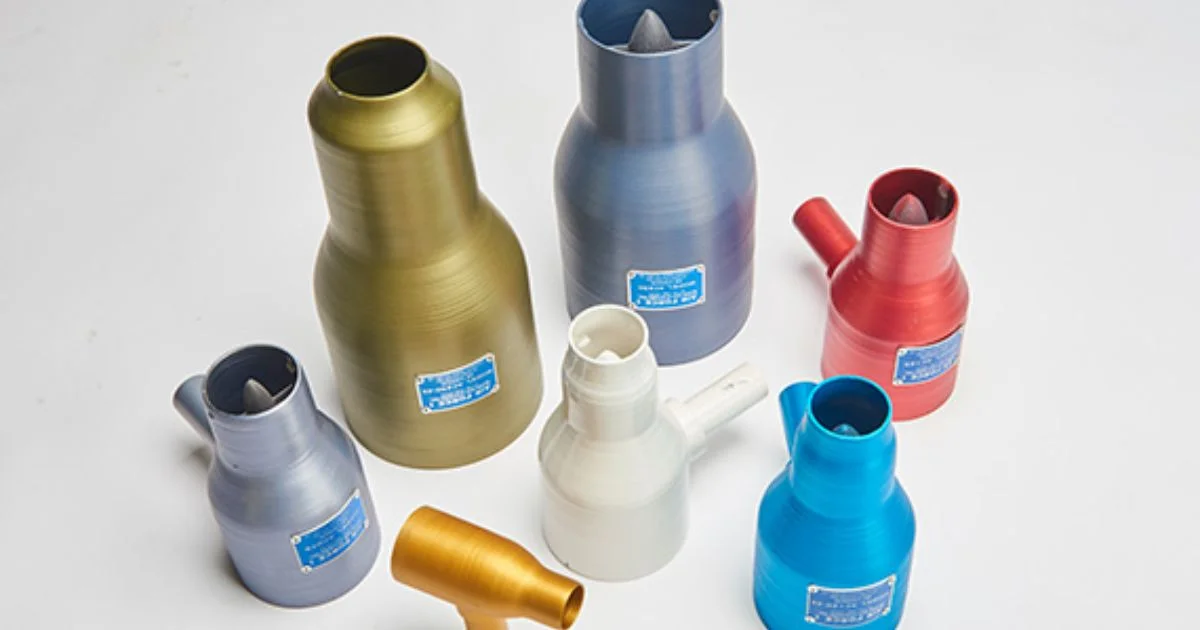
A downdraft table is only as good as the blower driving it. This key component determines both capture efficiency and long-term running costs. Through years of installations, we've found that direct drive blower technology offers major advantages for deburring and sanding. The simplicity of this design translates directly to operational benefits.
Direct drive blowers connect the motor shaft directly to the fan, eliminating losses through belts and pulleys. This design needs less maintenance while delivering more consistent performance, which is crucial for maintaining the precise airflow needed to capture metal dust during hand operations. Lower maintenance requirements make these systems ideal for busy production environments.
Sizing the blower correctly means calculating the exact airflow needed for your specific dust and work area. Underpowered systems fail to capture well, while oversized units waste energy and generate excessive noise. The right balance comes from proper engineering, not guesswork. Our custom sizing approach ensures you get exactly what your application needs.
We've seen too many shops invest in systems that either underperform or waste energy. Both situations lead to unnecessary costs and frustrated workers who often bypass safety measures entirely. The right blower makes the difference between a system that protects workers and one that just makes noise.
Customization for Metal Fabrication Processes
Working with metal shops of all sizes, we've found that standard tables rarely work best for deburring and sanding. The best solutions align with your specific processes, dust types, and workspace limitations. When standard setups don't meet your finishing work requirements, both productivity and safety suffer.
Modular systems solve this problem by letting you configure the exact setup each workstation needs. Some deburring operations require side drafts in addition to the downdraft, while others necessitate specialized work surfaces that resist wear from metal parts. Our dust removal systems can be tailored to your specific finishing operations.
Table height and comfort have a direct impact on both safety and productivity. Workers who stretch or bend to use poorly sized tables work less efficiently and often bypass safety features. Workstations should fit people, not force people to adjust to the equipment. Ergonomic designs boost productivity while maintaining full protection.
The best setups blend seamlessly with existing work processes. Based on our field experience, the right design not only boosts productivity but also adds protection. When systems match workflows instead of disrupting them, we see productivity gains alongside improved air quality. This win-win scenario is what we aim for in every installation.
Measuring Success Beyond Basic Capture
How can you tell if your downdraft tables really work? Quick checks, such as smoke tests, provide fast feedback but don't reveal the full picture. The true test is how they perform over time with real deburring and sanding work.
Measuring dust levels before and after installation provides clear evidence of effectiveness. Worker feedback offers invaluable insights - machinists quickly notice when systems aren't functioning properly and often devise their own solutions. Their input helps identify issues before they escalate into larger problems.
The best measure of success combines technical results with practical benefits. Effective downdraft tables result in less cleaning in the area and reduced maintenance on surrounding equipment. Most importantly, they keep your people safe while boosting productivity – a win-win for any operation.
Making the Right Choice for Your Deburring Operations
Choosing the right downdraft system starts with assessing your specific needs. What metals are you working with? How intensive is your deburring and sanding? What level of filtration do you need for your particular dust? These questions drive the development of effective solutions that deliver lasting results.
Consider both current and future needs in your decision. The cheapest option rarely gives the best long-term value. Maintenance needs, filter replacement frequency, and energy use all affect your total cost over time. A complete cost analysis helps quantify these factors for more informed decisions.
Look for systems that can adapt as your work changes. Modular designs let you adjust when production needs shift. Variable airflow helps balance capture effectiveness with energy use during different operations. This flexibility ensures your investment remains valuable as your processes evolve.
Are you wondering how much productivity you're losing due to poor air quality in your manual deburring and sanding processes? We understand your challenges and can design a custom downdraft solution that fits your specific metal fabrication needs. Contact us to discover how our direct drive technology can transform your finishing operations.