
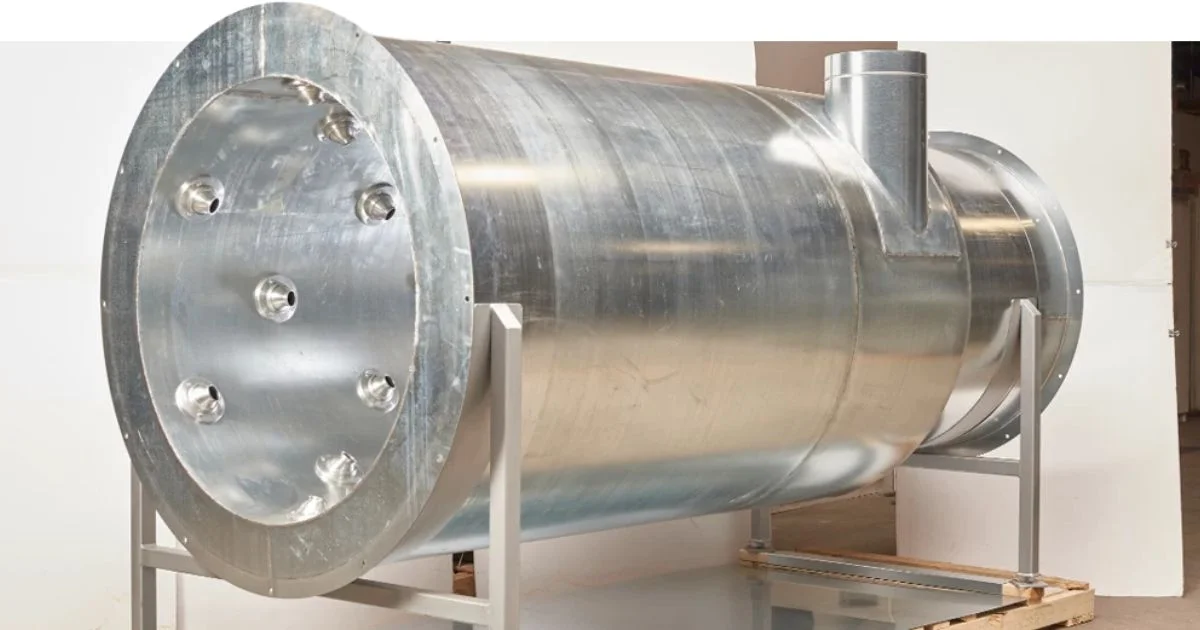
The retrofit quote comes back lower. Not by much, but enough that it looks like the safer choice. Work with what's already on the floor, avoid the lead time, and keep the project small. The assumption is that adapting existing equipment costs less than starting over. That assumption holds until you're three weeks into the project, and the engineering hours start piling up.
We've walked facilities through this decision hundreds of times. The retrofit blow off system cost looks attractive on paper. Then someone realizes the existing blower can't generate the velocity needed at the new line speed. The ductwork doesn't work for the new part geometry. The controls can't integrate with the updated PLC.
Each gap gets addressed with custom brackets, adapter plates, and flow restrictors that eat engineering time and still don't solve the core mismatch between what the equipment was designed to do and what the application actually needs.
When Retrofitting Costs More Than It Saves
Retrofitting works when the core equipment matches the application, and only peripheral components need updating, but that scenario is rarer than most facilities expect. The decision to replace or retrofit blow off system equipment gets clearer once you add up what a retrofit requires.
Existing blowers were sized for a previous production rate or part profile. Pushing them beyond their original design often means running them harder, which shortens their lifespan and increases maintenance. Ductwork that worked for one part configuration rarely transfers cleanly to another. Airflow that was adequate for flat panels doesn't reach into recessed pockets on castings. Controls that handled a simple on/off cycle don't integrate smoothly with newer line automation that requires variable speed or timed sequences.
Each gap creates engineering work because someone has to figure out how to make components designed for different applications work together. That's not a quick fix but rather custom problem-solving that stretches timelines and burns budget before the system even runs. The compressed air to blower conversion eliminates the fundamental inefficiency built into compressed air systems, but retrofitting existing compressed air equipment rarely fixes that core problem.
Energy waste adds up fast when you're trying to force old, compressed air equipment into a new application. Compressed air systems account for 10% of all electricity used in manufacturing industries, and leaks often waste 20 to 30% of the compressor's output. Retrofitting rarely addresses these losses.
The Hidden Engineering Overhead
Retrofit projects rarely stay on scope. The initial assessment identifies obvious gaps, such as a blower swap, new nozzle placement, or updated wiring. Then the installation reveals issues that weren't visible during the walkthrough.
Mounting points don't align. Existing ductwork has undocumented damage. The electrical panel doesn't have capacity for the upgraded blower. Each discovery adds hours.
Custom fabrication gets expensive fast when it's reactive rather than planned. Adapter plates, transition sections, and non-standard brackets aren't catalog items. They're one-off solutions that require engineering drawings, fabrication time, and field adjustments.
A new system includes mounting hardware designed for the components being installed. A retrofit includes whatever it takes to connect old and new components physically. Integration testing takes longer when components aren't designed to work together. Airflow that looked adequate in the spec turns out to be poorly interacting with the existing ductwork.
Velocity drops where it shouldn't. Coverage has gaps. Fixing these issues means more engineering cycles, more adjustments, and more testing. The blow off system retrofit timeline depends on how many unknowns surface during installation, and that timeline stretches when the project scope keeps expanding.
Coordination problems multiply when you're dealing with equipment from different manufacturers. Technical questions are filtered through sales channels rather than going directly to the engineers who designed the equipment. Design changes that would take hours when working with a single manufacturer take days or weeks when multiple vendors need to coordinate. Cost reviews often reveal these coordination costs late, after commitments have been made.
Performance Compromises That Cost Production Time
Retrofitted systems often can't match the performance of purpose-designed ones because you're working within the limits of existing equipment. The blower generates less velocity than you need because it wasn't sized for the new application. Nozzle placement compromises coverage because mounting points are dictated by old infrastructure rather than airflow requirements.
These compromises show up as slower cycle times, incomplete drying, or parts that still need manual touch-up after blow-off. Each inefficiency costs production time. A line running at 95% of capacity because the blow-off system can't quite keep up loses hours every shift. That gap adds up over weeks and months, eventually costing more than the upfront savings from retrofitting.
Old blow off equipment failing doesn't always announce itself through sudden breakdowns. A blower running near its performance limit doesn't fail immediately but just delivers inconsistent results. Parts dry unevenly.
Some batches pass inspection while others don't. Troubleshooting these intermittent issues burns up maintenance time trying to fix symptoms rather than addressing the root cause: the equipment was never designed for the current application.
Maintenance demands increase when you're pushing equipment beyond its design limits. Frequent breakdowns, production delays, and difficulty sourcing parts for obsolete machinery become recurring problems that eat into the supposed cost savings of retrofitting. Each emergency repair costs more than scheduled maintenance on equipment running within its design envelope.
When Lead Time Becomes the Real Constraint
Retrofit projects often take longer than expected once engineering complications surface. The perceived lead time advantage disappears when custom fabrication stretches the timeline or when multiple revision cycles push installation dates back. New systems arrive with everything required for installation, including mounting hardware, wiring diagrams, and startup procedures, all designed together.
Retrofit projects generate parts lists as problems get discovered. Waiting for a custom adapter plate or non-standard transition section can stall installation just as effectively as waiting for a new blower. The predictable timeline of new installation starts looking better once retrofit complications multiply.
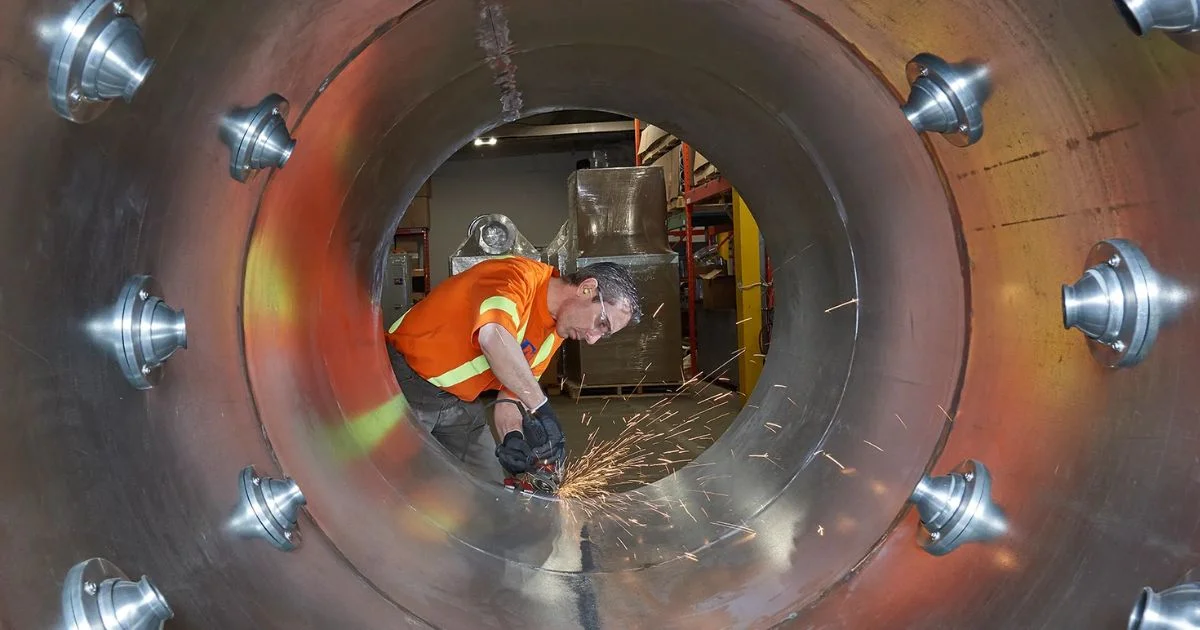
In-house manufacturing capability changes the equation entirely. When design and fabrication occur in the same facility, changes can be implemented in days rather than weeks. Emergency adjustments don't require international shipping or customs delays, so your timeline drives the production schedule rather than the other way around.
The Real Cost Comparison
Compare the custom blow off system cost against the total project expense of retrofitting existing equipment, including engineering hours, custom fabrication, installation labor, testing cycles, and lost production during extended commissioning. Add the opportunity cost of running a system that doesn't quite meet performance targets. That comparison usually favors new installation over retrofit once the full scope becomes visible.
A new system designed for the application eliminates most engineering overhead by matching components, planning mounting, and integrating controls. Installation still takes time, but it's a predictable time following documented procedures rather than reactive problem-solving. Performance targets are achievable because the system was designed to meet them rather than adapted to approach them.
Compressed air is one of the most expensive sources of energy in a plant, with overall efficiency as low as 10 to 15%. Starting fresh with a blower-based system designed for your actual requirements eliminates that fundamental inefficiency instead of trying to work around it.
Direct drive blowers deliver consistent performance without the belt maintenance that plagues older equipment. The motor shaft connects directly to the impeller for maximum power transfer. This design reduces maintenance requirements and improves long-term reliability compared to belt-driven alternatives, which require constant tension adjustments and periodic replacements.
Why New Installation Delivers Better Long-Term Value
Facilities that choose new installation report faster commissioning, fewer post-startup adjustments, and better long-term performance. The upfront cost difference is absorbed in the first year through reduced maintenance, consistent operation, and the elimination of the workarounds that retrofitted systems require. Energy savings alone often justify the investment when switching from compressed air to properly designed blower systems.
The warranty coverage tells part of the story. New equipment comes with full manufacturer support and clear warranty terms. Retrofitted systems create confusion about whether problems stem from old components, new components, or their integration. That confusion becomes a blame game between suppliers, and costs time and money during troubleshooting.
Training requirements favor new systems because your maintenance team learns one integrated design instead of trying to understand how multiple generations of equipment were forced to work together. Documentation is complete and current. Service procedures are straightforward. When someone new joins the team, they're learning a coherent system instead of inheriting someone else's workarounds.
The decision to replace or retrofit blow off system equipment isn't always obvious from initial quotes. But once you factor in the engineering time, custom fabrication, performance compromises, and ongoing maintenance of a retrofitted system, the total cost of ownership tilts toward new installation. The equipment performs as designed because it was designed for your application, not adapted from someone else's.
If your current blow-off setup is struggling to keep pace with production requirements or if you're evaluating whether to retrofit aging equipment, contact our team. We can assess what a retrofit would require versus what a new system designed for your current application would deliver, including realistic timelines and total project costs.