
Your production line needs a replacement blower. You call your supplier. They check with their overseas manufacturer. Eight weeks minimum, maybe twelve if the container gets delayed.
Meanwhile, your line runs at reduced capacity or stops completely. You're paying for equipment you can't use yet, watching production schedules slip, and explaining to customers why orders are delayed. This is incredibly frustrating and expensive.
The problem isn't the wait time itself. It's that you're dealing with middlemen who can't control what happens when you need custom blow off systems built to your specifications.
In-house manufacturing changes that equation. When the people designing your system also build it in their own facility, lead times drop fast. Customization becomes standard instead of complicated. Problems get solved quickly through direct communication.
The Real Cost of Waiting on Overseas Suppliers
Long lead times hurt more than your schedule. Production equipment sitting idle costs you every single day. Your team scrambles to keep things running with temporary fixes that waste energy and create quality problems.
Container delays have become standard in recent years. What suppliers once promised in six weeks now takes three months. Rush fees help sometimes, but you're still waiting on production slots, shipping schedules, and customs clearance.
The communication problems matter too. Engineering questions go through sales reps who check with overseas technical teams. Simple clarifications take days. Design changes that should take hours instead need weeks of back-and-forth emails across time zones. Eventually, you just stop asking.
You end up accepting standard configurations because custom changes add too much time. Your application needs specific air knife lengths or particular mounting configurations, but the delays make compromises seem reasonable. Those compromises show up later as performance issues you'll live with for years—exactly the situations where system upgrades become necessary.
What In-House Manufacturing Actually Means
When a manufacturer builds equipment in their own facility, they control the entire process. Design engineers work in the same building as fabrication teams. Custom changes don't need vendor negotiations or minimum order quantities.
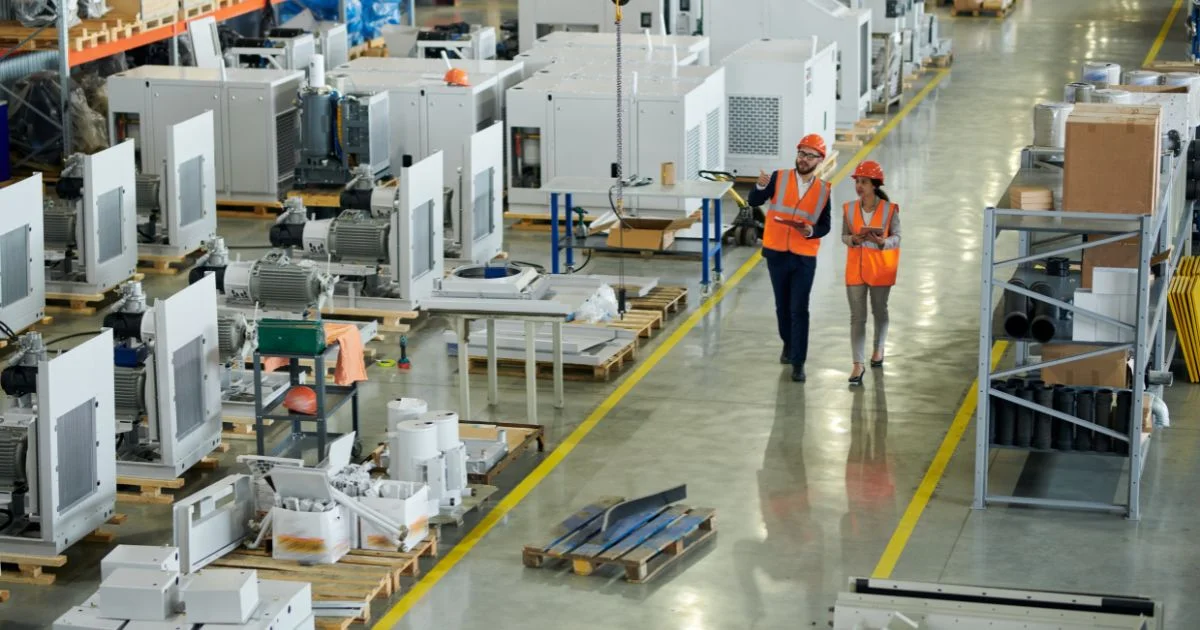
Air Force 1's 20,000-square-foot manufacturing facility houses CNC laser cutters, plasma cutters, press brakes, welding equipment, and a paint booth. Direct drive blowers, custom air knife systems, and air cannon nozzles are all built on-site. The people who engineer your solution also fabricate and test it.
This setup eliminates the coordination challenges of outsourced manufacturing. When an engineer suggests a design improvement during fabrication, it happens right away. Testing reveals a needed adjustment? The part goes back for modification immediately.
Quality control occurs during fabrication rather than at final inspection. Problems get caught and fixed during manufacturing, not after shipping. This complete system approach becomes practical when all components come from one facility designed to work together.
Custom Blow-Off Systems Without the Usual Headaches
Standard air knives come in fixed lengths with set specifications. Your application needs something different—maybe a 73-inch knife for a specific conveyor width, or mounting brackets that fit in the space you actually have available.
With overseas manufacturing, custom lengths trigger minimum order quantities and extended lead times. Suppliers stock standard sizes because custom work disrupts their production schedules and shipping logistics. You either accept what's available or wait months for a custom order.
In-house manufacturing treats blow off system customization as normal production. The same equipment that makes standard 48-inch air knives makes 73-inch versions just as easily. Custom mounting brackets, specific connection types, application-specific changes—none of this needs special ordering procedures or timeline penalties.
Stainless steel systems for food processing applications, anodized aluminum for general manufacturing, and special coatings for harsh environments.
Material selection happens based on your needs, not supplier inventory. According to the U.S. Department of Energy, properly specified equipment runs more efficiently, and getting specifications right needs manufacturing flexibility that standard products can't provide.
Direct Drive Blower Advantages
Direct drive blowers connect the motor shaft directly to the impeller. No belts, pulleys, or alignment issues. This design delivers greater reliability and lower maintenance than belt-driven alternatives, as we've covered in our comparison of direct drive versus belt systems.
Manufacturing direct drive blowers in-house means changes happen quickly. Motor sizing, impeller configuration, and housing materials—all get specified for your application without generic product limits. The blower arrives optimized for your specific airflow and pressure requirements, rather than sized to fit catalog specifications.
Testing happens before shipping. The blower runs at actual operating conditions in the manufacturing facility. Performance gets verified against your requirements, not just checked against general specifications. Problems that might surface during startup instead get solved during manufacturing.
Engineering Support That Actually Helps
Overseas manufacturing puts distance between you and engineering expertise. Questions go through sales channels. Technical discussions need to be scheduled across time zones. Design reviews happen via email with drawings.
In-house manufacturing means engineers answer questions directly. Your application presents an unusual challenge? The person who designs the solution works in the same building where it gets built. This proximity matters when troubleshooting installation issues or optimizing system performance.
CAD capabilities using AutoCAD and SolidWorks support custom engineering throughout the process. Approval drawings, detailed fabrication prints, and as-built documentation all come from the engineering team that works alongside production. Design changes get implemented without the communication delays of multi-vendor coordination.
When Lead Times Actually Matter
Production equipment failures don't wait for convenient timing. A blown blower motor during your busy season means scrambling for solutions. Having manufacturing capability in North America rather than overseas significantly changes your options.
Emergency replacements ship in days instead of weeks. Custom changes to solve unexpected problems happen on real production timelines. The difference between a three-day delay and a three-month delay often determines whether you meet customer commitments or lose contracts.
Facility expansions and new line installations also benefit from responsive manufacturing. Your timeline depends on equipment arrival. In-house industrial blower manufacturers schedule around your installation dates, rather than forcing you to work around container shipping schedules and customs delays.
Quality Control Throughout Production
Overseas manufacturing typically means quality inspection occurs after production is complete. Problems discovered during incoming inspection mean either accepting substandard equipment or waiting for replacements to ship.
In-house manufacturing catches issues during fabrication. Welds get inspected as they're made. Dimensions get verified during machining. Assembly problems get solved before paint, not after shipping. This continuous quality approach delivers better equipment while eliminating the cost and delay of returns.
Testing capabilities in the manufacturing facility means systems run under power before leaving. Airflow gets measured. Noise levels get verified. Integration between components gets confirmed. You receive equipment that's been thoroughly tested during production.
The Hidden Costs Nobody Tracks
Calculating the cost of equipment delays usually focuses on lost production. That number alone justifies faster delivery for most facilities. But other costs add up too.
Inventory carrying costs for components you can't install. Engineering time spent on temporary workarounds. Quality problems from running suboptimal equipment longer than planned. Customer relationship damage from delayed orders. These indirect costs often exceed direct production losses.
Energy waste from older, inefficient equipment that has passed its planned replacement date adds up quickly.
Properly maintained equipment operates more safely and efficiently. Every month you wait for replacement custom blow off systems means another month of high energy bills you could have avoided.
Maintenance costs climb, too. Equipment that should have been replaced months ago breaks more frequently. Parts become harder to source. Technicians spend time on temporary fixes rather than on preventive maintenance that keeps other systems running well.
Working With Manufacturers, Not Middlemen
Distributors and sales representatives serve valuable roles in equipment supply chains. But they add layers between you and the people who build what you need. Technical questions get filtered through non-technical sales staff. Custom requirements are translated through purchase orders rather than through direct engineering discussions.
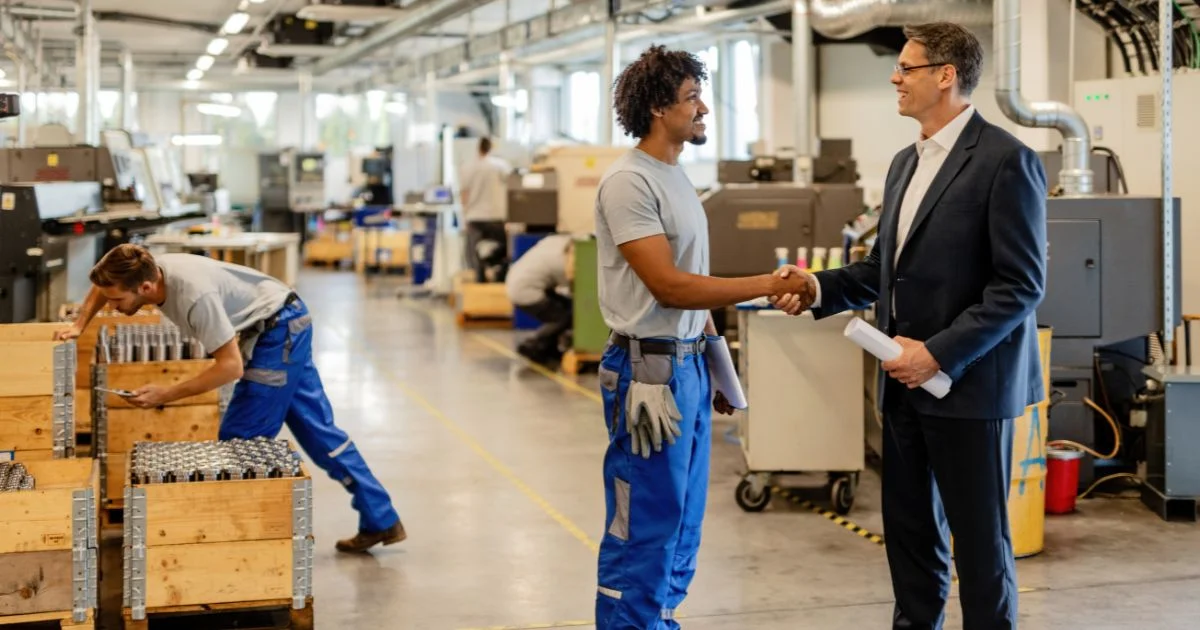
When you work directly with manufacturers who build in their own facility, communication becomes straightforward. The person who answers your questions understands the equipment because they're involved in making it. Design discussions take place with engineers who will implement the design.
This direct relationship matters most when problems occur. Installation reveals an unexpected interference? The manufacturing team that built it helps solve the problem through direct collaboration. Your timeline drives the solution process.
What This Means for Your Next Project
When evaluating blow off system suppliers, look beyond catalog specs and price quotes. Ask where equipment gets manufactured. Ask about customization capabilities and timeline impacts. Ask who answers your technical questions.
Facilities needing custom air knife systems should look for manufacturers with their own fabrication capability. Applications where manufacturing lead times matter—which is most applications—need suppliers who control manufacturing instead of coordinating overseas vendors.
Your current suppliers might offer acceptable equipment at competitive prices. But if lead times, customization limits, or communication difficulties create ongoing problems, those acceptable solutions prevent you from optimizing your processes.
Ready to eliminate lead time problems? When your custom blow off systems need custom configurations, responsive engineering, and North American production timelines—contact us to discuss how Air Force 1's manufacturing capability solves the delays you're experiencing with overseas suppliers.